The Deputy Chairperson of the Indonesian Ulema Council (MUI), Buya Dr. Anwar Abbas, asserted that the mastery of science and technology (IPTEK) is the primary foundation for Indonesia to transform from a developing nation into a global power. According to him, this capability is a crucial instrument in facing intense economic competition and international political diplomacy in the future.
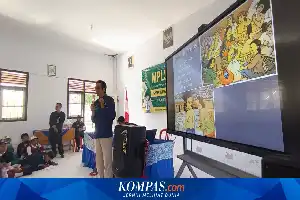
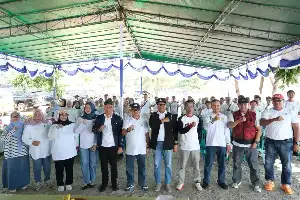
This statement was delivered by Buya Anwar during a series of national working meetings (Rakernas), an International Seminar, and a regeneration forum organized by the MUI Education and Regeneration Commission (KPK) in Jakarta. He highlighted that although Indonesia possesses strong social, cultural, and religious capital, these assets are not enough without the support of adequate technological progress.
"Mastery of technology is the gateway to economic independence. Without mastery in this sector, it will be difficult to strengthen Indonesia's bargaining position in world politics," said Buya Anwar. He emphasized that there is an inseparable correlation between technological sophistication, economic resilience, and a nation's influence on the international stage.
Facing the momentum of Indonesia's independence centenary, Buya Anwar urged the national education system to begin orienting towards the development of innovation capabilities, rationality, and technological literacy. Educational institutions are expected to be capable of producing a generation that not only masters academic material but is also able to make creative breakthroughs that adapt to changing times.
Furthermore, he encouraged the creation of a progressive culture in the educational ecosystem to shift Indonesia's position from a mere consumer of technology to a producer of innovation. It is hoped that the recommendations from the forum held by KPK MUI can serve as a concrete contribution to the government in strengthening the competitiveness of national human resources to realize the nation's aspiration of being respected globally.