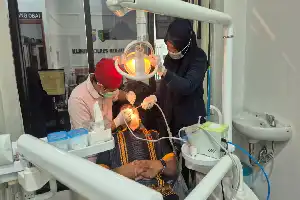
Behind the geographical limitations of mountainous areas, the existence of commune-level health facilities is now at the forefront of maintaining public well-being. Through improvements in physical infrastructure and medical equipment, healthcare workers in areas like Bang Thanh and Cam Giang are now more optimal in serving the medical needs of residents, ranging from routine check-ups to chronic disease management.
The role of doctors is no longer limited to treating patients in exam rooms, but has expanded to active educators. They consistently guide residents on healthy diets, environmental hygiene, and the importance of disease prevention. This persuasive approach has proven effective in encouraging public awareness to be more proactive in maintaining their own health and that of their families.
This community-based health system now covers a wide spectrum of services, from immunization programs, maternal and child health monitoring, to non-communicable disease management. With an average of thousands of patient visits each month at local health centers, the effectiveness of grassroots-level health services has a significant impact on reducing the burden of medical services at higher-level hospitals.
The local government is committed to continuously improving the quality of services through infrastructure investment, developing the competency of medical staff, and providing incentive policies for healthcare workers. This strategic step aims to create a conducive working environment so that doctors can continue to serve peacefully in mountainous areas.
The dedication of doctors in these remote areas has proven to be a crucial pillar for the social resilience of the community. Their success in providing healthcare services that are accessible physically and informationally not only improves public health status, but also drives sustainable economic and social development for mountainous communities.