The Oil Palm Plantation Fund Management Agency (BPDP), the Directorate General of Plantations (Ditjenbun), and the Yogyakarta Plantation Community Academy (AKPY) have established a strategic synergy to accelerate planter regeneration. This effort is realized through a human resource (HR) development program focused on enhancing professionalism and mastering cultivation technologies relevant to current industry needs.
As a realization of this commitment, technical training on oil palm cultivation was held in Makassar, South Sulawesi, on July 7–13, 2026. A total of 149 participants, including planters, agricultural extension workers, and planters' families from East Luwu Regency, actively participated in a series of sessions designed to support sustainable plantation practices.
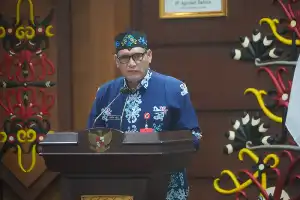
The Deputy Director of AKPY, Dr. Idum Satia Santi, emphasized that the future of the national palm oil commodity relies heavily on the quality of its human resources. According to her, today's planters cannot merely rely on conventional field experience; they must be capable of integrating technological innovation, structured business management, and sustainability principles into their plantation management.
The training curriculum covers the implementation of Good Agricultural Practices (GAP), ranging from the use of certified seeds to integrated pest management techniques. Participants were also educated on utilizing palm oil waste into organic material to enhance soil fertility while reducing production costs. Innovations such as fruit pollination techniques were also taught to optimize fresh fruit bunch (FFB) productivity.
This program is expected to serve as a catalyst for the emergence of a new, competitive generation of palm oil planters. By combining technical expertise and modern management, smallholder plantation productivity is expected to increase, ultimately having a direct impact on strengthening the economic well-being of farming families across Indonesia.