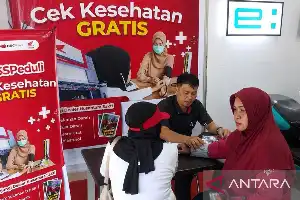
Students of the Physiotherapist Professional Education Program and the Pharmacist Professional Education Program at Universitas Muhammadiyah Surakarta (UMS) participated directly in supporting the implementation of the Chronic Disease Management Program (PROLANIS) in Gatak District, Sukoharjo Regency. The activity, which took place on Saturday (11/7), is a form of strategic collaboration between Puskesmas Gatak, BPJS Kesehatan, and the UMS academic community to optimize public health, especially for the elderly suffering from hypertension and diabetes mellitus.
Accompanying lecturer, Farid Rahman, explained that the students' involvement is not just an academic assignment, but a real implementation of community service. The students play an active role in providing physical assistance and educating participants regarding self-management of diseases. This step is considered crucial because PROLANIS not only focuses on curative aspects but also prioritizes promotive and preventive approaches.
The event began with a 45-minute health exercise session designed specifically to suit the physical condition of the elderly. Physiotherapy students accompanied the participants to ensure every movement was done correctly and safely to minimize the risk of injury. This routine physical activity is considered highly effective in maintaining fitness, improving blood circulation, and controlling blood pressure and blood sugar levels in the body.
After exercising, the activity continued with a health education session. The students delivered material on the importance of medication compliance and a healthy diet. Several participants, such as Heni Astuti (72) and Suwahyo (76), admitted that this routine program has significantly helped them maintain a stable health condition and control their history of illness.
Despite the positive impact, the UMS team noted challenges in implementing the program, namely transportation access issues for the elderly and the discipline level of participants' attendance. These findings are expected to serve as feedback for relevant parties to improve accessibility for chronic disease patients with limited mobility in the future.