Sepuluh Nopember Institute of Technology (ITS) Surabaya has officially introduced pyrolysis technology as a waste management solution in Pesanggrahan Village, Batu City, East Java. This initiative, funded by the Ministry of Higher Education, Science, and Technology, aims to convert accumulated plastic waste into useful alternative energy products.
Head of the ITS Community Service Team, Lucky Putri Rahayu, revealed that this technology was chosen due to its ability to bridge environmental issues with potential economic value. Through the pyrolysis process, plastic waste of high-density polyethylene (HDPE) and polypropylene (PP) types is processed at temperatures of 350 to 400 degrees Celsius to produce pyrolysis oil that can function as fuel.
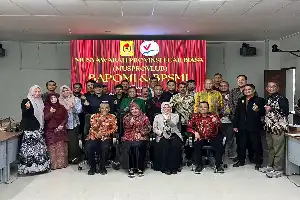
This program targets waste bank managers, health cadres, and the Karang Taruna (youth organization) in Pesanggrahan Village. This location was chosen because it already has adequate TPS3R (Reduce-Reuse-Recycle Waste Treatment Site) infrastructure, but still requires technological innovation to reduce the residual load sent to the Final Disposal Site (TPA).
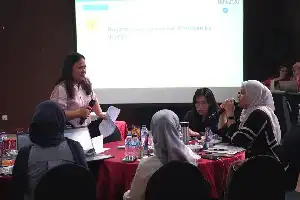
In operational trials, the system successfully converted seven kilograms of plastic waste into ready-to-use oil. To ensure sustainability, the ITS team not only installed hardware in the form of an automatic control system but also provided intensive training and formulated standard operating procedures for the local community.
Secretary of Pesanggrahan Village, Budi Cahyono, welcomed this strategic collaboration. He hopes that the implementation of pyrolysis technology can spark village independence in environmental management while creating new economic opportunities for local residents. Moving forward, ITS is committed to continuing mentoring to ensure this system can be managed independently by the community.