TERNATE - The Association of Indonesian Forest Concessionaires (APHI) has proposed the utilization of carbon environmental services as the main driver for the transformation of the forestry business in the Maluku and North Maluku regions. This strategic step was taken in response to the declining performance of Forest Utilization Business Permits (PBPH) in the natural forest sector of both provinces.
This idea emerged during a Focus Group Discussion (FGD) discussing the procedures for carbon trading in the forestry sector following the issuance of Minister of Forestry Regulation Number 6 of 2026. This latest regulation serves as an important legal umbrella establishing greenhouse gas emission offset procedures to provide business certainty for forestry industry players.
General Chairman of APHI, Soewarso, explained that this new rule reinforces the function of forests, which are no longer merely for producing conventional timber commodities, but also high-economic-value environmental services. Despite having significant carbon sequestration potential, he acknowledged that challenges such as high project investment costs, the validity of data methodology, and harmonization with local communities still need to be resolved together.
Echoing this, the Chairman of the North Maluku APHI Regional Commissariat, Arief Budiantoro, assessed that the momentum of this new regulation is very timely for forestry business actors to diversify their businesses through the Multi-business Forestry scheme. This carbon trading scheme is expected to integrate environmental conservation efforts, community economic empowerment, and the recovery of corporate financial performance.
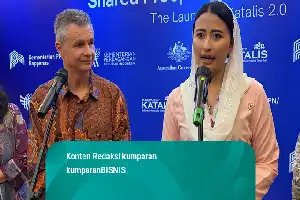
This effort received appreciation from the Head of the North Maluku Forestry Service, Basyuni Thahir, who stated that the local government is preparing a jurisdiction-based carbon trading scheme. The focused discussion held in Ternate was a collaboration between APHI and Fairatmos, as well as a continuation of similar programs previously held in Riau and Papua.