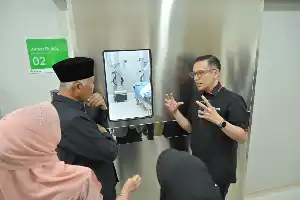
A strategic step has been taken by Vietnam's agricultural sector to strengthen the competitiveness of horticultural products in the United States market. The Toan Phat Irradiation (TPI) plant is now officially the first facility in the country to receive approval from the United States Animal and Plant Health Inspection Service (APHIS) to operate two irradiation technologies simultaneously: X-ray technology and Cobalt-60-based gamma irradiation.
This decision marks a major milestone in Vietnam's post-harvest infrastructure. Previously, TPI operated using gamma technology, but the addition of the X-ray system provides crucial operational flexibility. The integration of these technologies is expected to double processing capacity, particularly when dealing with surges in fresh fruit harvest volumes that often present logistical bottlenecks during peak export seasons.
TPI representatives emphasized that this success was achieved after a series of comprehensive assessments by APHIS, covering equipment standards, dosage control, and strict biosecurity procedures. Nevertheless, the company stressed that the use of this dual technology still requires full compliance with the bilateral Irradiation Operational Plan between Vietnam and the United States. Each type of fruit must continue to follow the specific technical protocols established by the relevant authorities.
Data from the Vietnam Fruit and Vegetables Association projects a fantastic export revenue of 8.5 billion USD by 2025. Although exports to the US market continue to show a positive trend, Vietnam's overall market share remains relatively small at around 1.49 percent. This indicates that wide expansion opportunities remain open for local exporters.
Industry experts assess that the presence of a facility with dual standards will greatly support supply chain efficiency. With larger capacity, the risk of goods accumulating in cold storage can be minimized, while also reducing the operational costs of exporters. This innovation is expected to serve as a catalyst in overcoming logistical challenges that have long been the main obstacle in maintaining the quality of Vietnamese agricultural products in the international market.