The Provincial Government of Central Papua has reaffirmed its commitment to ensuring comprehensive access to medical services for all residents, including those not yet registered as BPJS Kesehatan members. Through the Regional Health Insurance (Jamkesda) scheme, residents can still receive free healthcare services simply by presenting their Family Card (KK).
The Acting Head of the Central Papua Health, Population Control, and Family Planning Agency (Dinkes P2KB), dr. Agus, explained that his office has allocated a Jamkesda quota to provide medical coverage for 50,000 people. This scheme prioritizes residents who are not yet covered as Contribution Assistance Recipients (PBI) by either the central or district governments.
In addition to supporting primary care, the Central Papua Provincial Government is also preparing funding to finance several complementary health services that fall outside the scope of BPJS Kesehatan. This step is guided by the Central Papua Governor's priority program, "Ko Harus Sehat" (You Must Be Healthy), which focuses on promotive and preventive approaches through early disease detection, Clean and Healthy Lifestyle (PHBS) education, and immunization.
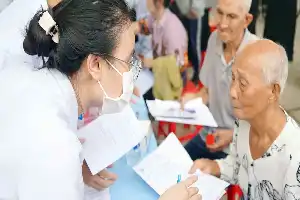
As a concrete implementation of the program on the ground, the Central Papua Health Agency, in collaboration with the Nabire District Government, held a free health check-up social service event at the Old Nabire Airport area on July 21–22, 2026. This mass healthcare event, held to celebrate the 4th anniversary of Central Papua Province, involved a joint medical team from four community health centers (Puskesmas): Kalibobo, Kota Lama, Karang Mulia, and Karang Tumaritis.
The Secretary of the Central Papua Dinkes P2KB, Obeth Tekege, urged the public not to delay medical examinations until their physical conditions worsen. On this occasion, residents can take advantage of free health checks ranging from blood sugar, cholesterol, and uric acid to malaria treatment. The organizers also stationed ambulance fleets to anticipate emergency responses and rapid referral procedures to secondary health facilities.