The Ministry of Health (Kemenkes) is now implementing an aggressive strategy in tuberculosis (TB) control by instructing up to 100 percent close contact tracing of patients' families and immediate environments. This step is taken as a crucial effort to halt the rate of transmission while pursuing the ambitious target of eliminating TB in Indonesia by 2030.
Deputy Minister of Health, Benjamin Paulus Octavianus, emphasized that the handling model needs to shift from merely treating sufferers to actively seeking the source of infection. This strategy is likened to fishing in a pond, where the health status of everyone interacting with the patient must be confirmed to break the chain of virus transmission before it spreads.
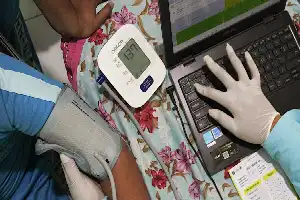
To support this program, the Ministry of Health will optimize the use of the Free Health Check Program (CKG), portable X-rays, and rapid testing technology. The central government has also ensured budget availability for 2026 and is encouraging synergy between local governments, the private sector, professional organizations, and village-level cadres so that early detection can run optimally.
Data from 2024 shows that the challenges remain significant, with Indonesia recorded as one of the countries with the highest TB burden in the world, contributing about 10 percent of total global cases. In addition to strengthening detection, the Ministry of Health is also focusing on medical independence, including the development of a national vaccine and increasing the capacity of microbiology laboratories in various provinces.
On the other hand, TB survivors emphasize the importance of eliminating the negative stigma in society towards patients. Social support and patient compliance in completing treatment to the end are considered key for TB patients, including those with drug resistance, to return to being healthy and productive.