The Executive Board of Nahdlatul Ulama (PBNU) is actively promoting the integration of reproductive health education within Islamic boarding schools (pesantren). This strategic step is taken as a concrete effort to prevent acts of sexual violence while improving the health standards of students (santri) across Indonesia.
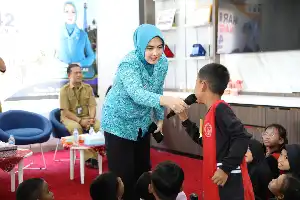
This commitment was emphasized during the Implementation Halaqah of Santri Reproductive Health Education initiated by the Nahdlatul Ulama Family Welfare Movement (GKMNU) at Pondok Pesantren KHAS Kempek, Cirebon, West Java. The meeting brought together pesantren administrators from West Java and Central Java to align their perspectives.
PBNU Chairperson for Community Welfare, Alissa Qatrunnada Wahid, explained that the rise in violence cases in religious educational institutions serves as an important alarm regarding the necessity of this education. PBNU aims to build a protective pesantren ecosystem by equipping students with an adequate understanding of reproductive health.
Alissa also highlighted the public's misconception of often associating reproductive health solely with sexual activity. In fact, the scope of this issue is very broad, ranging from preventing anemia in adolescents and reducing stunting to lowering maternal and infant mortality rates. This education is expected to no longer be considered taboo, but rather an urgent need to create a safe learning space.
Echoing this sentiment, the Ministry of Health (Kemenkes) views this education as crucial to reducing the national Maternal Mortality Rate (MMR), which currently lags behind neighboring countries in Southeast Asia. The global SDGs target aims to reduce Indonesia's MMR to 70 per 100,000 live births by 2030. This education also targets male students so that they share an equal moral responsibility.
From a caregiver's perspective, K.H. Abdul Barri from Pondok Pesantren Al-Masthuriyah Sukabumi emphasized the importance of continuous guidance for teenage students. He hopes this educational program will continue to be overseen through direct mentoring at each pesantren by Islamic scholars (kiai, nyai) and dormitory wardens so that its implementation aligns with the values and local wisdom of each institution.