In an effort to ensure the equitable distribution of national health insurance services, BPJS Kesehatan has officially launched the Layanan Ujung Negeri (LANURI) program. This strategic initiative is specifically designed to reach communities in frontier, outermost, and disadvantaged (3T) regions, where access to health administration services still faces geographical and infrastructural obstacles.
The President Director of BPJS Kesehatan, Prihati Pujowaskito, explained that this program is part of the implementation of the board of directors' 100-day work plan. To overcome these obstacles, BPJS Kesehatan is optimizing two primary methods: the Virtual Office for Information and Administration Services (VIOLA) and proactive outreach services through BPJS Keliling (Mobile BPJS).
VIOLA serves as a video conference-based digital solution that allows residents to interact in real-time with officers without having to travel long distances to branch offices. Between January and May 2026, this channel served more than 218,000 transactions, the majority of which were conducted through local Puskesmas (community health centers). Meanwhile, for areas not yet reached by stable internet connections, the BPJS Keliling service goes directly to community points to provide administrative assistance.
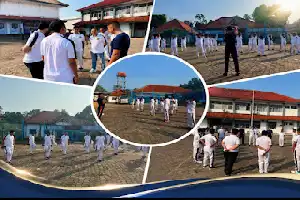
The LANURI program is now operating in 558 regencies/cities across Indonesia. This implementation has received full support from various stakeholders, including the Ministry of Cooperatives and the Indonesian National Armed Forces (TNI). This synergy involves utilizing village cooperative infrastructure for digital access, as well as deploying Babinsa (village-level military officers) personnel and TNI healthcare facilities to reach remote islands.
The presence of this cross-sectoral collaboration is expected to minimize gaps in public service access. By combining modern technology and proactive outreach, BPJS Kesehatan is committed to ensuring that the right to health insurance can be enjoyed by all Indonesian citizens, without exception, including those living in the country's most remote corners.