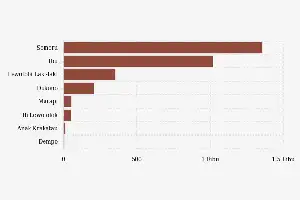
Discussions regarding adjustments to BPJS Kesehatan contributions have resurfaced amidst ongoing financial pressure shadowing the National Health Insurance (JKN) program. The government is currently targeting high-income groups as the primary focus for contribution increases, arguing that larger contributions align with the mutual assistance (gotong royong) principle championed by the national social security system.
However, this policy has drawn sharp criticism from observers. Many question whether raising contributions is a fundamental solution or merely an administrative shortcut to cover deficits. There are deep concerns that the government has not yet addressed the root causes of systemic inefficiency and internal governance issues that have long weighed down the program's sustainability.
On the other hand, BPJS Kesehatan officials emphasize that claims continuously exceeding contribution revenues necessitate prompt strategic action. Beyond operational efficiency efforts currently being accelerated, full support from the government through policy interventions is deemed crucial to maintaining the long-term sustainability of the health insurance program for all Indonesians.
The debate surrounding this policy reflects the major challenge of balancing public healthcare rights with state fiscal stability. The public now awaits comprehensive action from the government that goes beyond merely adjusting contribution rates to thoroughly improving the healthcare service ecosystem.