The non-governmental organization Indonesia Corruption Watch (ICW) has exposed a dark record of health governance in the country. Throughout the 2019 to 2024 period, ICW identified at least 112 corruption cases in the health sector that have cost state finances up to IDR 583 billion.
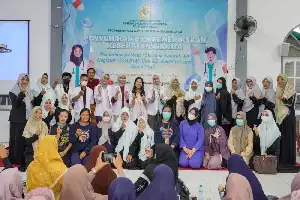
These findings were presented by ICW Researcher Nisa Rizkia Zonzoa during a public discussion in Jakarta. The momentum of this data presentation also marks the launch of the 25th anti-corruption education module titled "Health Corruption in the Era of Climate Crisis," which can be accessed for free by the public through the Anti-Corruption Academy online learning platform.
Based on the profiles of the perpetrators, the involvement of private parties dominated with 52 individuals. This was followed by 38 civil servants (ASN) and 30 local government employees. The dominance of private actors indicates a strong sign of collusive practices in the procurement process of medical goods and services at various regional levels.
In terms of modus operandi, budget misuse was the most frequent type of deviation, with 40 cases found. Other common methods included fictitious projects (28 cases), budget cuts (18 cases), price mark-ups (16 cases), and fictitious reports (10 cases). The remainder included bribery, gratification, extortion, and abuse of authority.
ICW also highlighted cases of alleged rent-seeking during the Covid-19 pandemic, particularly related to the procurement of the drug ivermectin, which was once promoted as a corona therapy drug despite facing opposition from the medical community. To suppress the potential for similar deviations in the future, governance reforms focusing on procurement transparency, public-private partnership accountability, and strengthening internal supervision must be accelerated immediately.