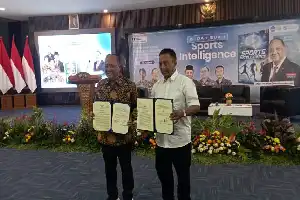
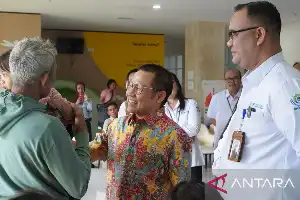
The European private sector has officially called for stronger synergy with the government to accelerate nutritional resilience and preventive healthcare services in the ASEAN region. This call emerged during the launch of the report titled "Health, Nutrition & Lifestyle: Boosting ASEAN's Health and Economic Resilience Through a Life-Course Framework" in Jakarta, which brought together multi-sectoral stakeholders to discuss the sustainability of the national health agenda.
The report emphasizes that preventive health is not merely an aspect of well-being, but a crucial strategic investment for economic productivity. Three main pillars were mapped out: nutritional resilience, promotion of healthy lifestyles, and strengthening self-care as the foundation to foster competitive human resources in the future.
Executive Director of the EU-ASEAN Business Council, Chris Humphrey, highlighted the effectiveness of Indonesia's Free Nutritious Meal (MBG) program as a progressive first step. According to him, the current challenge lies in large-scale implementation, where the industrial sector is ready to contribute through product reformulation, supply chain strengthening, and transparency of nutritional information for the public.
The Ministry of Health of the Republic of Indonesia, represented by Sri Ridha Hasanah from the Directorate of Prevention and Control of Non-Communicable Diseases, emphasized that economic growth and public health must be viewed as mutually supporting entities. The government is opening wide opportunities for multi-stakeholder collaboration to achieve measurable national health targets.
A total of 29 strategic recommendations have been prepared in the report to serve as concrete guidelines for the government and industry players. With a long-term commitment, the EU-ABC expressed its readiness to bring European experience and expertise to strengthen a more sustainable and circular healthcare system for the Indonesian people.