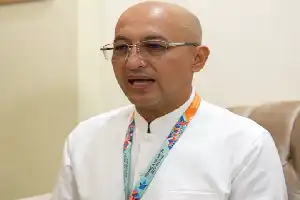
Deputy Speaker of the People's Consultative Assembly of the Republic of Indonesia (MPR RI), Lestari Moerdijat, emphasized the need for a collective commitment from all elements of the nation to establish comprehensive mental health protection and care mechanisms for the younger generation. This strategic step is considered crucial to ensuring Indonesian children grow into a competitive future generation.
These concerns are well-founded. Screening data from the Ministry of Health's Free Health Check (CKG) program as of January 2026 revealed a striking fact: 4.8 percent, or approximately 363,326 children aged 7 to 17, show indications of depressive symptoms. This figure serves as a sharp warning sign for the national social resilience system.
Furthermore, the trend is exacerbated by police data recording a spike in suicide cases among the 0 to 15 age group. Within two years, the figure rose drastically from 604 cases in 2022 to 1,498 cases in 2024. Moerdijat noted that these numbers indicate a deeply concerning escalation of the issue.
The member of Commission X of the House of Representatives (DPR RI), affectionately known as Rerie, explained that the root of child mental health problems often stems from experiences of violence. Therefore, she urged that any future policies formulated must actively involve children as well as relevant stakeholders.
A child perspective-based approach is believed to foster more relevant and targeted solutions. By involving children in decision-making processes, it is hoped that government and societal efforts to tackle this mental health crisis will be more holistic and have a tangible impact on the psychological well-being of the nation's children.