The majority of residents aged 40 to 80 in Jilatang Village, Samadua District, South Aceh Regency, have been identified as suffering from hypertension or high blood pressure. This finding was obtained after students of the Field Study Program (PBL) of the Faculty of Health Sciences at Teuku Umar University (UTU) conducted home visits for health checks alongside local Posyandu (integrated health post) cadres.
Based on the results of the field health evaluation, the high prevalence of hypertension in the village is triggered by an unhealthy lifestyle. Key contributing factors include a diet dominant in high salt, minimal daily physical activity, and the habit of staying up late, which is still frequently practiced by residents.
Responding to this condition, the student team consisting of Nurul Pahrisa, Novi Arsinta, Novi Firmadanti, Nisa Mahfirah, and Syarifah Murtisa immediately provided personalized medical education. They campaigned for the "Isi Piringku (My Plate) to Prevent Hypertension" initiative at the Jilatang Village Posyandu. This interactive education was enthusiastically welcomed by 25 residents, surging far beyond the initial target of 15 attendees.
The Keuchik (Village Head) of Jilatang, Edi Mulyadi, expressed his deep appreciation for the students' concrete initiative. According to him, practical understanding regarding salt intake limitation and balanced menu management greatly helps residents change their lifestyles independently. This health literacy effort was also reinforced by the installation of permanent educational posters in the public area of the Posyandu.
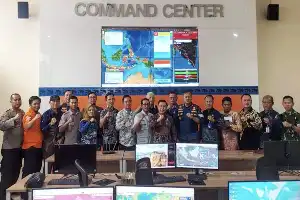
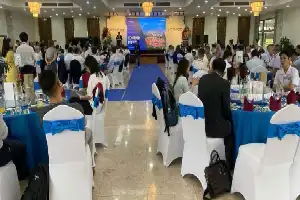
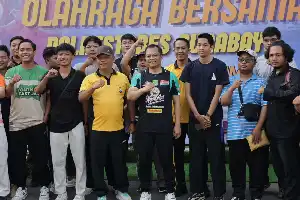
In addition to targeting residents, this community service program also strengthened the institutional capacity of health cadres through the "Inter-Village Cadre Quiz Competition" across Samadua District. In this health service competency test event, which was attended by the Head of Samadua District, Muhammad Iqbal, cadres from Jilatang Village successfully won First Place. The Sub-district Head appreciated the student collaboration, which was deemed effective in improving the competence of cadres as the front line of village health services.
Field Supervisor (DPL), Teungku Nih Farisni, S.K.M., M.Kes., emphasized that this integrated program is a form of academic integration that is promotional and preventive in nature. Through early intervention and capacity building of local cadres, it is hoped that the awareness of Jilatang Village residents to adopt a healthy lifestyle in order to prevent non-communicable diseases can be sustained in the long term.