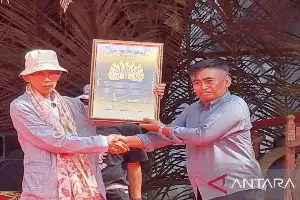
The polemic surrounding pilgrimage practices at Pesarean Gunung Kawi, Malang Regency, has recently become a hot topic on social media. Various narratives linking the site to 'pesugihan' (wealth-seeking rituals) have sparked diverse debates in the public sphere, drawing the attention of national figure Fadli Zon.
Responding to this phenomenon, Fadli Zon views pilgrimage activities to historical sites as part of the mosaic of diverse traditions and cultures that have long been rooted in Indonesia. According to him, as long as the practice does not violate norms or damage the social order, society needs to view it as a reality of life that has existed for generations.
Furthermore, he emphasized that the economic aspect arising from these cultural activities provides tangible benefits for the welfare of the local community. As long as the visits of the pilgrims bring a positive and constructive impact, the tradition is considered part of the nation's cultural wealth that needs to be understood wisely.
For information, Pesarean Gunung Kawi is the tomb of historical figures, namely Raden Mas Soeryo Koesoemo or Kiai Zakaria II, known as Eyang Djoego, and Raden Mas Iman Soedjono. This complex is a hub for religious and cultural activities, especially during the celebration of the Islamic New Year or 1 Muharram, which is routinely celebrated through a parade (kirab) and flower-sprinkling procession by local residents.