Nusakambangan Island, long known as a high-security area, is now beginning a new chapter in resource self-reliance. The reliance on off-island clean water supplies that has long burdened operations is now being overcome thanks to the implementation of desalination technology developed by Diponegoro University (UNDIP).
Nusakambangan's geographical conditions, dominated by limestone, make access to quality fresh water difficult. Historically, drinking water for inmates and staff had to be periodically transported from the mainland—a process that was not only costly, but also vulnerable to weather and logistical transport obstacles.
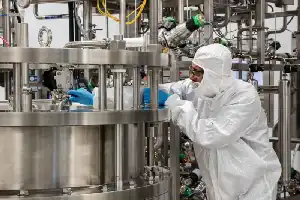
The desalination technology initiated by Prof. Dr. I Nyoman Widiasa utilizes a reverse osmosis (RO) system to turn seawater into drinkable water. The facility is capable of producing up to 20,000 liters of water per day, an amount sufficient to meet the daily needs of the island's residents. The main advantage of this system lies in the use of solar panels as its primary power source, making it an efficient, environmentally friendly, and sustainable solution.
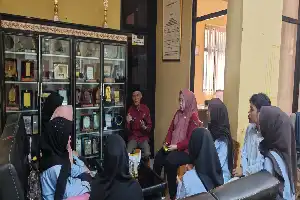
More than just infrastructure, the presence of this technology is part of Nusakambangan's major transformation into a productive food security region. UNDIP has also conducted knowledge transfers by training several inmates to operate the machinery. This training provides valuable technical skills to the inmates as assets for rejoining society in the future.
A visit to the installation site by the Minister of Immigration and Corrections, Agus Andrianto, along with the Chair of Commission IV of the Indonesian House of Representatives (DPR RI), Siti Hediati Soeharto, underscores the urgency of this innovation. In addition to budget efficiency, this technology minimizes ecological impact through a specially designed intake system to preserve marine life around the island.
Moving forward, the remaining brine concentrate from the desalination process is planned to be optimized as a raw material for salt production. This initiative not only addresses the basic need for water, but also serves as a model for integrating science, economic self-sufficiency, and social empowerment in Indonesia's outer regions.