The world is once again on high alert after the World Health Organization (WHO) declared the Bundibugyo Ebola variant outbreak in the Democratic Republic of Congo and Uganda as a Public Health Emergency of International Concern (PHEIC). As of July 2026, more than 1,460 confirmed cases have been recorded with a significant fatality rate, sparking global concerns following the discovery of imported cases in Europe.
Health expert from the Faculty of Medicine and Health Sciences (FKIK) of Universitas Muhammadiyah Yogyakarta, dr. Farindira Vesti Rahmasari, M.Sc., Ph.D., emphasized the importance of public understanding of the early symptoms of this disease. Although known as a virus with a mortality rate that can reach 90 percent, the early phase of Ebola is often disguised as it resembles influenza, which includes fever, fatigue, headache, and muscle pain.
Dr. Farindira explained that these "dry" symptoms often mislead sufferers, causing them to ignore their condition until it enters a critical phase. After an incubation period ranging from two to 21 days, the infection will progress to severe complications such as diarrhea, vomiting, and impaired vital organ function followed by bleeding. It is important to note that transmission of the virus only occurs when physical symptoms begin to appear in patients.
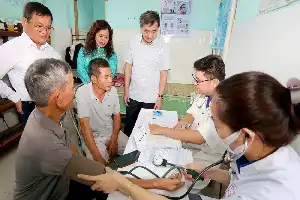
Groups with the highest risk of exposure, such as medical personnel, family members providing care, and individuals who have recently traveled from endemic areas, are urged to be more vigilant. Direct contact with body fluids, blood, or contaminated objects from an infected person is the main route of transmission for this virus.
Prevention efforts must be carried out comprehensively, starting from compliance with procedures in health facilities to individual awareness to be honest about travel history when seeking medical attention. Disclosure of information to health workers is crucial so that a diagnosis can be established quickly, allowing the chain of transmission to be broken early to protect the safety of the wider community.