The Executive Board of Nahdlatul Ulama (PBNU) has taken a strategic step by strengthening reproductive health education within Islamic boarding schools (pesantrens). This effort is designed to build the character of the students (santri), protect their physical health, and serve as a preventive measure against the threat of sexual violence in religious educational institutions.
The Chair of PBNU for People's Welfare, Alissa Qatrunnada Wahid, explained that Islamic boarding schools hold a strategic position for this program. These institutions function not only as formal religious education centers but also play an active role as daily nurturing spaces for the students.
According to Alissa, today's teenagers are highly vulnerable to inaccurate information about sexuality from various media sources without proper filtering. Therefore, providing correct reproductive health education is crucial so that students have a complete understanding and are able to make the best decisions for themselves.
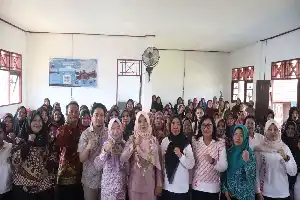
One implementation of this program is realized through the Halaqah (Discussion Forum) on Reproductive Health Education for Students in Pesantrens, organized by the Nahdlatul Ulama Family Welfare Movement (GKMNU) at the Bayt Al Hikmah Islamic Boarding School in Pasuruan, East Java. This forum brought together pesantren leaders to draft and socialize a special learning module tailored to the values of Islamic boarding schools.
Beyond discussions, this long-term program will be followed by Training of Trainers (ToT) for religious teachers (ustaz and ustazah), as well as the establishment of a peer educator system among students. In addition, young caretakers (known as gus and ning) are encouraged to actively use social media as a tool for digital education.
The need for this health education is increasingly urgent in light of findings from the Ministry of Health showing a high prevalence of health issues among adolescents. Data from the School Free Health Check Program recorded that approximately 30 percent of students in grades 7 and 10 were diagnosed with anemia, which is often exacerbated by poor eating habits resulting from distorted body image perceptions.