Indonesia is getting increasingly serious about developing market potential in the Eurasian region through active participation in the international industrial exhibition, INNOPROM 2026, held in Yekaterinburg, Russia, on July 6–9, 2026. This strategic step involves 16 leading industrial sectors under the umbrella of the Metal, Machinery, Transportation Equipment, and Electronics Industries (ILMATE) to showcase national manufacturing technological sophistication.
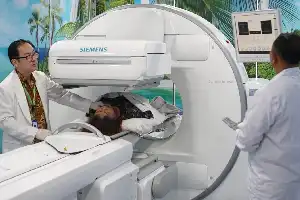
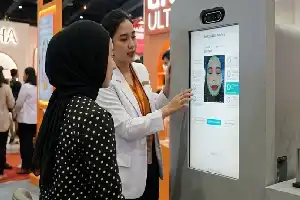
At the event, the Indonesian delegation displayed various cutting-edge innovations, covering artificial intelligence (AI), virtual reality (VR), RFID technology, as well as the maritime and solar energy industries. Minister of Industry Agus Gumiwang Kartasasmita emphasized that Indonesia's presence is not merely for promotion, but a concrete step toward building production collaboration and strengthening global supply chains with member countries of the Eurasian Economic Union (EAEU) and BRICS.
Agus added that this participation serves as momentum to prove that Indonesia's manufacturing capacity has transformed into a competitive strategic partner, no longer just a market for foreign products. This is backed by the performance record of the ILMATE sector, which grew impressively by 4.28 percent in the first quarter of 2026, making a significant contribution to non-oil and gas processing industry GDP and achieving realized investments of IDR 90.48 trillion.
Director General of ILMATE at the Ministry of Industry, Setia Diarta, expressed optimism that the presence of 19 national companies and institutions at this event will trigger technology transfer and new investment. This synergy is expected to further strengthen bilateral industrial ties, such as the cooperation previously initiated between PT PAL Indonesia and Rosatom last April.
A line of leading companies involved, ranging from digital technology producers and shipyards to smart farming providers, are expected to capture technical collaboration opportunities. This step is part of the government's grand agenda to integrate domestic industries more deeply and with higher added value into the global supply chain.