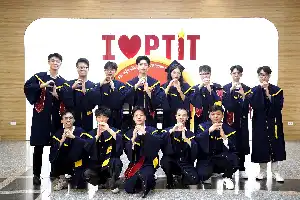
Amidst the massive acceleration of digital transformation, the qualifications of Informatics Engineering graduates are now in the primary spotlight for the industrial world. Companies are no longer just looking for applicants with high academic GPAs, but are prioritizing talent capable of integrating technical skills with critical thinking, high adaptability, and effective cross-functional collaboration.
Mastery of fundamental programming languages such as Python, Java, and JavaScript is just the first step. Current industry standards require graduates to be able to design efficient algorithms and thoroughly understand the Software Development Life Cycle (SDLC). The ability to manage databases and a deep understanding of network infrastructure are also vital foundations to ensure company operational systems run stably and securely.
Furthermore, a commitment to lifelong learning is the main differentiator for technology professionals. With the emergence of innovations like Artificial Intelligence (AI), cloud computing, and cybersecurity, graduates who proactively update their skills will have stronger bargaining power. These technical skills must be synergized with soft skills, such as persuasive communication and creativity in problem-solving, to bridge the gap between technology solutions and end-users.
Practical experience through internships, working on real projects, and obtaining professional competency certifications serve as crucial instruments in recruitment. Strategic steps in choosing educational institutions that implement industry-based curricula—such as STEKOM University—can provide a competitive edge. With direct practical exposure and a modern learning environment, graduates are equipped not only with theory, but also with the mental readiness to fill crucial roles across various global industry sectors.