Illegal hiking activity in the Mount Merapi region of Central Java has once again drawn public attention. Although the Mount Merapi National Park Authority (BTNGM) along with related authorities have issued a strict ban, public enthusiasm for climbing via the Selo route in Boyolali remains very high. This phenomenon is reflected in various social media posts showing hikers present in the restricted area.
Head of BTNGM, Heri Wibowo, stated that on-the-ground enforcement faces serious obstacles due to hikers' low compliance with safety warnings. Official records show that climbing has been banned since May 22, 2018, and this restriction was further tightened following the increase of volcanic activity to Level III (Alert) on November 5, 2020. Currently, the summit area is only open for research activities directly related to disaster mitigation.
In response to this situation, BTNGM favors a persuasive approach rather than repressive actions. Heri revealed that this policy was adopted to minimize potential conflicts with local residents. As a follow-up step, management plans to conduct closed dialogues with local residents to raise awareness about the inherent risks in Mount Merapi's red zone.
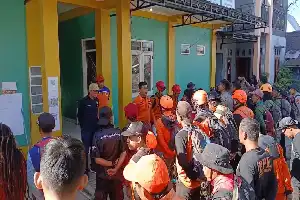
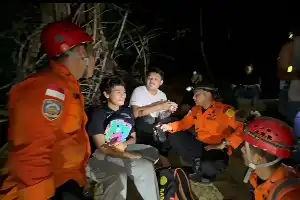
The real risk of ignoring these warnings was proven again when Mount Merapi spewed pyroclastic flows on Saturday, July 4, 2026, at 03:51 WIB. Although field officers continue to be deployed to monitor and directly educate visitors on the Selo route, these efforts have not been able to stem the tide of reckless hikers risking their lives amid the constant threat of eruptions.