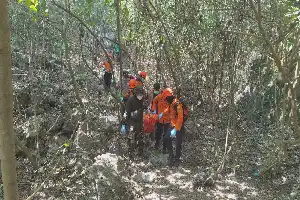
Equal distribution of access to medical services in regions with extreme geographical conditions remains a major challenge in developing the health sector in Central Sulawesi Province. To overcome these obstacles, the Poso Regency Government is now intensifying the Mobile Health Services (PKB) strategy as a concrete step to bring quality, fair, and sustainable health services directly to remote communities.
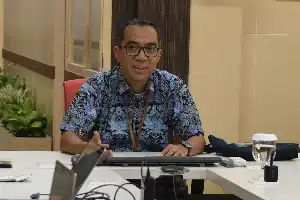
This commitment was emphasized during the Meeting for the Guidance and Strengthening of PKB Implementation at Remote and Very Remote Community Health Centers (Puskesmas) in Poso Regency for the Year 2026. This strategic agenda, initiated by the Poso Regency Health Office, was officially opened by the Secretary of the Poso Health Office, Elvasanti Tialen, and featured speakers from the Central Sulawesi Province Health Office to align the understanding of all stakeholders.
Poso Regency has a large administrative area with challenging landscapes, where there are currently 12 community health centers classified as remote and very remote. Supported by the Non-Physical Special Allocation Fund (DAK) for Health, these primary healthcare facilities have now become the top priority for PKB implementation to strengthen the primary healthcare network.
The Head of the Primary Health Services Section of the Central Sulawesi Provincial Health Office, Misnawati, explained that the PKB concept has a much broader essence than just the operation of standard mobile clinics. The program is systematically designed with an integrated multidisciplinary team—ranging from general practitioners, dentists, nurses, midwives, pharmacists, to sanitation and health promotion personnel. Under certain conditions, medical specialists are even brought in directly to provide comprehensive care, emergency services, and medical referrals.
Meanwhile, the Head of the Health Services Division of the Central Sulawesi Provincial Health Office, Fatma A. Deu, added that the PKB is part of a national strategy to overcome geographical constraints in difficult regions. The success of this program demands solid management, starting from area mapping, real needs analysis, financial support, security guarantees, to orderly medical record administration to ensure the sustainability of services for inland communities.