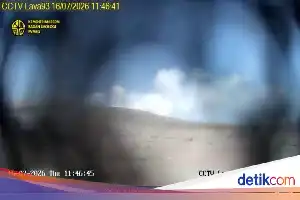
Illegal hiking activities in the Mount Merapi area, particularly via the Selo route in Boyolali, Central Java, are once again under sharp scrutiny. Although the volcano's activity status remains at Level III or Alert (Siaga), public interest in hiking remains high, even amid the real threat of pyroclastic flows that could occur at any time.
Official bans have been issued by various authorities, ranging from the Mount Merapi National Park Center (BTNGM) and the Geological Disaster Technology Research and Development Center (BPPTKG) to local authorities. The decision to close hiking trails has actually been in effect since the alert level was raised several years ago, with special exceptions only for disaster mitigation research activities.
Head of BTNGM, Heri Wibowo, acknowledged significant challenges in enforcing the rules on the ground. His agency currently prioritizes a persuasive and dialogic approach with local residents over repressive measures. This is done to avoid potential social conflict that might arise if a forced closure were carried out in the area.
As a follow-up step, the management plans to hold in-depth meetings with the local community to strengthen understanding of the hazards lurking at Merapi's peak. Until now, field officers remain on standby in the Selo area to continuously issue warnings, despite the very low awareness among hikers to obey the ban.
Public concern peaked following a recorded pyroclastic flow eruption on July 4, 2026. The incident serves as a stark reminder that Mount Merapi is a highly dangerous zone for human activity, making compliance with safety protocols and the red zone status essential to minimize the risk of casualties.