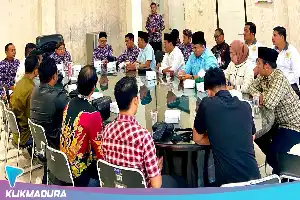
The integration of technology in the academic world is no longer just a complement, but a main pillar in the transformation of modern learning systems. Through the use of digital devices and information system platforms, interaction between lecturers and students has become more dynamic, efficient, and no longer limited by the boundaries of conventional classrooms.
The presence of digital learning platforms provides students with the flexibility to access lecture materials, submit assignments, and hold online discussions. This hybrid learning model not only bridges geographical distances but also trains students' independence in managing their learning pace more flexibly and effectively.
On the other hand, educators are now required to be more creative in designing teaching materials. The use of interactive media such as simulation videos, infographics, and digital modules has proven to significantly improve students' understanding compared to traditional one-way lecture methods.
In addition to facilitating remote group collaboration, the habit of using this digital ecosystem indirectly builds digital skills that are highly sought after by modern industries. Nevertheless, challenges such as the digital literacy gap and the importance of strict self-discipline remain homework that must be addressed by every member of the academic community.
Looking to the future, educational technology trends are projected to involve artificial intelligence (AI) and virtual reality (VR) technologies to create a more personalized learning experience. Therefore, choosing a higher education institution that is adaptive to technology—such as STEKOM University, which offers a digital-based curriculum and flexible learning schedules—is a strategic step for prospective students to secure their future careers.