The government places health protection as a strategic pillar in maintaining the sustainability of the national creative economy (ekraf) sector. Minister of Creative Economy, Teuku Riefky Harsya, emphasized that the 27.4 million creative economy workers in the country are crucial national assets for achieving the Golden Indonesia 2045 vision, making their well-being and job security a top priority.
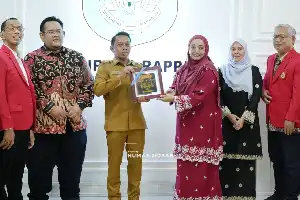
Riefky made the statement during the launch of the Layanan Ujung Negeri (LANURI) in Jakarta on Monday (13/7/2026). This initiative is designed to expand access to National Health Insurance (JKN) for creative workers, including those in frontier, outermost, and underdeveloped (3T) regions, who have often faced limited access to social services.
Data shows that the creative economy sector has currently exceeded the workforce absorption target set in the 2025 National Medium-Term Development Plan (RPJMN). With a majority comprising youth and women, health protection is seen not merely as a social issue, but as a vital instrument to maintain productivity and the competitiveness of the creative economy on the global stage.
In addition to expanding JKN participation, the government is also promoting creative collaboration between the health sector and the content industry. Through subsectors such as applications, film, and music, the government targets the creation of educational content capable of reaching millions of people to promote health behavior change, including awareness of mental health.
This commitment aligns with the Creative Economy Master Plan (Rindekraf) 2026–2045, which focuses on human resource development. Riefky emphasized that the best investment for the creative economy ecosystem is investment in its people, enabling creative talents to continue producing work feeling safe, comfortable, and socially protected.