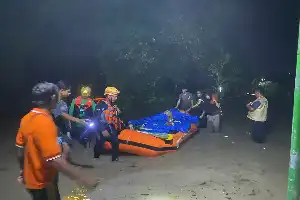
A hiking action conducted by around 200 residents on the Selo route, Boyolali, on Tuesday (30/6/2026), sparked heated discussion on social media. Amidst Mount Merapi's ongoing Alert (Siaga) status, this move by the community was considered by some parties as a reckless act that ignores safety factors.
Local hiking activist Lahar revealed that the action was a dress rehearsal by residents in an effort to push for the independent reopening of the hiking trail. According to him, Selo residents long for regulatory certainty so they can officially manage the trail while providing disaster mitigation education to climbers to prevent facility damage and minimize the risk of getting lost.
Behind these demands lies economic pressure felt by around 200 families in Selo who have lost their primary livelihood over the past eight years due to the closure of the hiking trail. Residents hope the government will provide a solution, such as limited hiking permits or 'soft-trekking' up to a certain point, to revive the local economy that has been in a state of suspended animation.
In response, the Head of BPPTKG, Agus Budi Santoso, emphasized that Mount Merapi is currently in an effusive eruption phase that could turn into an explosive eruption at any time. Ejected volcanic material can reach a radius of 3 kilometers, covering the hiking trails, so the Alert status still requires the zone to remain clear of human activity.
Echoing this sentiment, Head of the Mount Merapi National Park Center, T Heri Wibowo, stated that his party could not recommend opening the trail, including for soft-trekking activities, because all hiking access points in the area lie within the hazard radius. The national park management is also tightening supervision, including imposing social to criminal sanctions on illegal hikers who still insist on breaching the forbidden zone.
As a step to mitigate the economic impact, the park authority stated it continues to encourage residents to transition to other productive sectors, such as compost fertilizer processing for cattle farmers, to ensure the community's economic sustainability remains intact even though hiking activities cannot yet be reopened.